
Preparing for a Records Audit: A Compliance Checklist
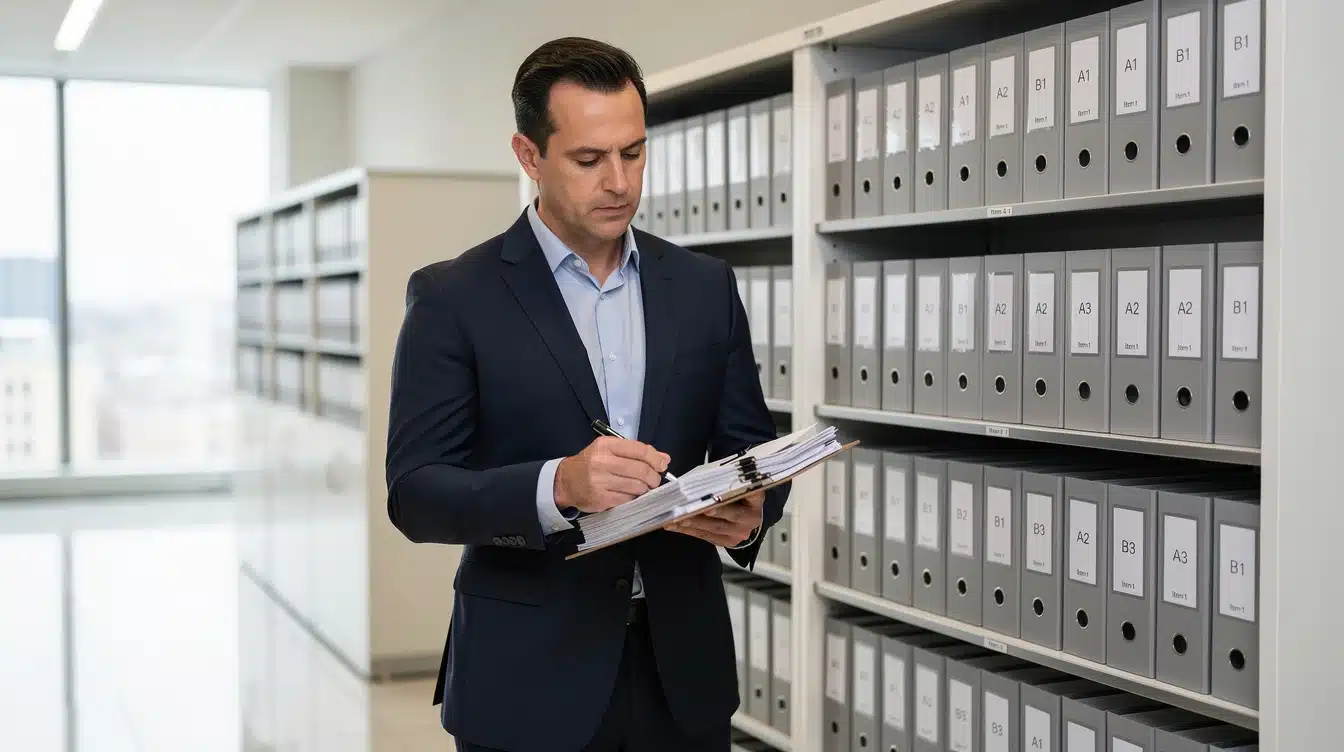 Records audits represent a critical compliance milestone for organizations across Spokane and beyond. Whether your business faces regulatory scrutiny from HIPAA, SOX, or industry-specific requirements, proper preparation determines whether an audit becomes a routine validation or a costly disruption.
Our team has guided hundreds of Spokane-area businesses through successful audits. The difference between organizations that pass seamlessly and those that struggle invariably comes down to preparation and systematic record management.
Understanding Audit Scope and Requirements
Before addressing physical records, determine precisely what auditors will examine. Different regulatory frameworks impose distinct requirements. HIPAA audits scrutinize patient information handling, while financial audits focus on transaction documentation and retention schedules.
Identify which records fall within audit scope. This includes active files, archived documents, and electronic records. Many organizations overlook records storage facilities or fail to account for documents held by third-party providers.
Review your retention schedule against regulatory requirements. Discrepancies between what you maintain and what regulations mandate create immediate compliance gaps.
Conducting Pre-Audit Inventory
Comprehensive inventory establishes the foundation for audit readiness. Document every record category your organization maintains, including:
- Financial documents and transaction records
- Personnel files and employment documentation
- Customer or patient records
- Operational files and correspondence
- Electronic data and backup systems
Verify that physical location matches your inventory management system. Missing files discovered during an audit raise significant concerns about overall records management practices.
Our file indexing inventory services help organizations in Spokane identify gaps before auditors arrive.
Validating Destruction and Retention Practices
Auditors examine not just what you keep but what you destroy. Implement destruction policies that document when and how records reach end-of-life.
Certificate of destruction should exist for every disposed record category. These certificates demonstrate compliance with both retention minimums and maximums. Retaining documents beyond required periods creates unnecessary legal exposure.
Document your shredding schedule and methodology. Whether you utilize scheduled shredding or project-based destruction, maintain detailed logs.
Ensuring Access Controls and Security
Physical and digital security measures receive intense audit scrutiny. Review who accesses records and under what circumstances. Implement sign-out logs, access badges, and monitoring systems appropriate to your compliance requirements.
For organizations managing sensitive information, verify that collection containers meet security standards and that handling procedures prevent unauthorized access.
Electronic records require equivalent protection. Audit trails, encryption, and access logging demonstrate systematic security practices.
Preparing Documentation and Policies
Auditors expect written policies governing records management. These documents should address retention schedules, destruction procedures, security protocols, and staff training.
Policy documentation proves systematic compliance rather than ad-hoc practices. Include dates of policy adoption, revision history, and evidence of staff acknowledgment.
Training records demonstrate organizational commitment to compliance. Document when employees received compliance training and what topics were covered.
Final Preparation Steps
Schedule internal walk-throughs mimicking actual audit procedures. Test your ability to locate specific documents quickly. Verify that staff understand their roles during the audit process.
Designate a point person for auditor communications. This individual should possess comprehensive knowledge of your records management systems and authority to address questions immediately.
Successful audit preparation requires methodical attention to detail and comprehensive records management infrastructure. Organizations throughout Spokane trust our team to establish systems that withstand regulatory scrutiny while supporting operational efficiency.
Call us at (866) 433-4691 or complete the form on this page today!
Frequently Asked Questions
How far in advance should we begin preparing for a records audit?
Organizations should maintain audit-ready status continuously rather than preparing only when audits are announced. However, if notified of an upcoming audit, begin intensive preparation immediately—ideally allowing at least 30-60 days for comprehensive review and remediation of any gaps in your records management systems.
What are the most common compliance issues discovered during records audits?
The most frequent deficiencies include inconsistent retention practices, missing destruction certificates, inadequate access controls, and gaps between written policies and actual procedures. Many organizations also struggle with incomplete inventories that fail to account for all record locations including off-site storage facilities.
Do we need to maintain physical records or can everything be digitized?
Regulatory requirements vary by industry and jurisdiction. Many compliance frameworks permit electronic records if proper security, access controls, and backup systems exist. However, certain legal documents may require original physical copies. Consult your specific regulatory requirements and consider professional document scanning services that meet compliance standards.
How long should we retain audit documentation after the audit concludes?
Retain audit documentation including auditor correspondence, findings, remediation plans, and supporting materials for the same period as the records examined during the audit, or longer if required by your industry regulations. This documentation demonstrates compliance history and supports future audits by showing systematic improvement.
What role do third-party records management providers play in audit compliance?
Third-party providers remain an extension of your compliance program. Auditors will examine vendor agreements, security certifications, and service documentation. Choose providers with relevant certifications and clear chain-of-custody procedures. Maintain copies of all service agreements and destruction certificates provided by vendors to demonstrate proper oversight of outsourced records management functions.
Get Your Quote
"*" indicates required fields

Popular Posts

Service Areas
Serving Spokane, Eastern Washington, Northern Idaho and Northeastern Oregon

Drop-Off Shredding Locations
-
601 E Pacific Ave Spokane, WA 99202
-
6848 North Government Way #114 Dalton Gardens, Idaho 83815
-
23 West Mead Avenue Yakima, Washington 98902